


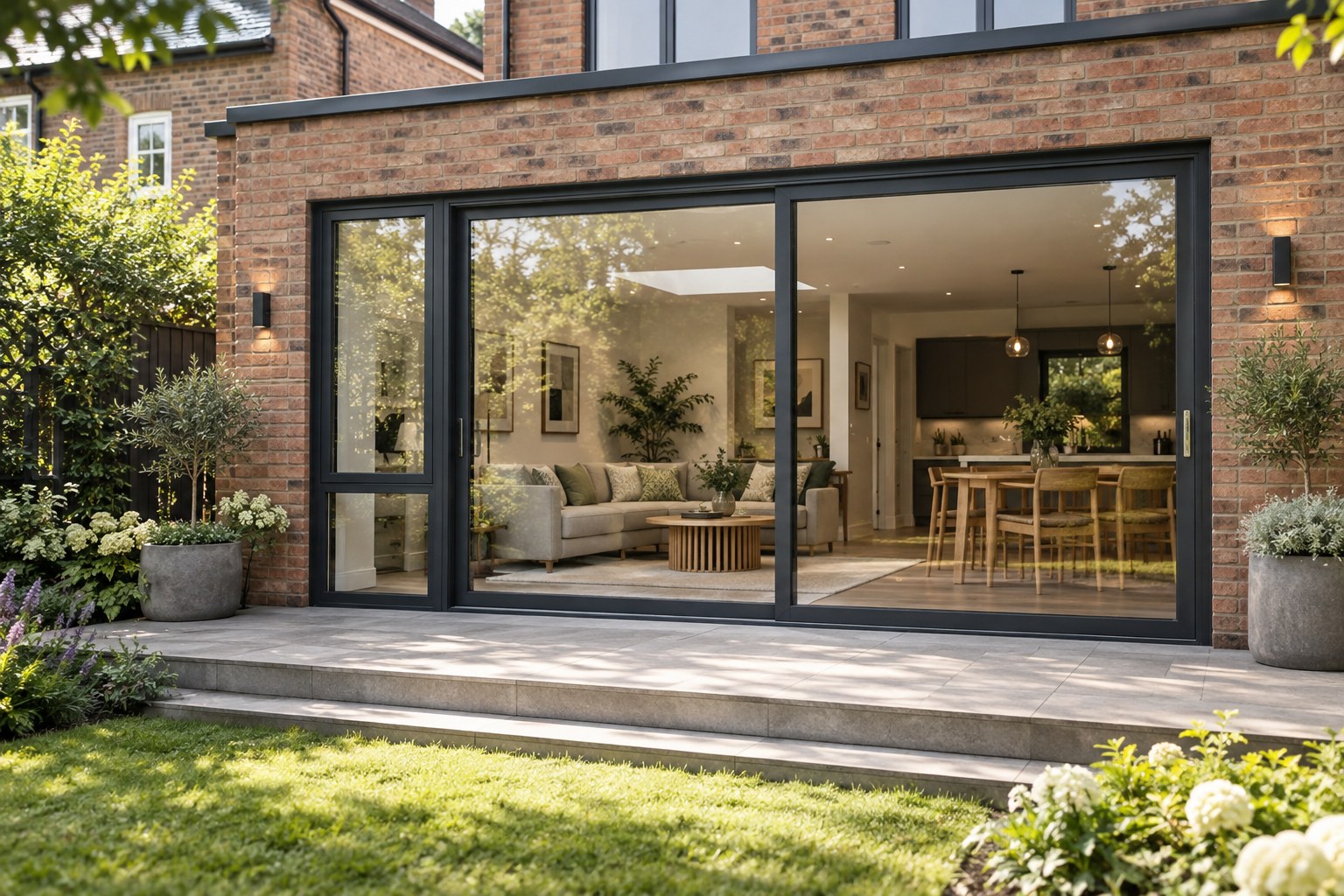
Choosing energy efficient aluminium windows and aluminium doors for a UK project starts with practical questions: how to reduce running costs, improve comfort and avoid maintenance problems. The same questions apply to larger aluminium facade systems, where interfaces and delivery responsibilities also shape long-term performance.
This guide is designed to help UK homeowners, architects, developers, and façade contractors make confident decisions without getting buried in marketing claims. It explains what matters, what to ignore, what to ask, and how to estimate your potential savings using a simple calculator you can copy/paste.
1) Why aluminium is winning in the UK right now (and when it’s not)
Aluminium windows and aluminium doors have shifted from “premium look” to “whole-life logic” in the UK because they combine:
- Dimensional stability (less warping, consistent gasket pressure)
- Slim sightlines (more daylight with strong frames)
- High durability finishes (low maintenance)
- Hardware capacity for large glazing (big sliders, tall doors)
- Compatibility with modern compliance expectations (thermal performance + security)
When aluminium may not be your best fit
- You want “heritage authenticity” and local planners are strict (some conservation areas require very specific aesthetics).
- Your supplier can’t demonstrate credible thermal break performance or system testing.
- You’re chasing the cheapest quote and compromises are guaranteed (poor install + weak interfaces often costs more over time).
2) The UK performance basics: learn these 7 terms and you’ll spot good quotes instantly
1) Uw (whole window U-value)
This is the headline number for energy efficient windows UK. It includes frame + glazing + spacers.
- Older or basic windows can be around Uw ~1.6–2.0 W/m²K
- High-performance upgrades can reach Uw ~0.7–0.9 W/m²K (often triple glazing + quality thermally broken frames)
Tip: Demand the Uw for your actual configuration, not a brochure “best case”.
2) Thermally broken aluminium windows
A thermal break is typically a polyamide barrier separating inner and outer aluminium sections. Without it, aluminium is highly conductive and performance collapses.
If the quote doesn’t clearly state “thermally broken” and the system series, treat it as a red flag.
3) Air permeability + airtightness
U-values don’t capture draughts. UK comfort complaints often come from leakage at:
- sash/frame
- frame/wall perimeter
- thresholds on doors
Good aluminium systems rely on multi-seal gaskets and stable alignment so seals actually work in real life.
4) Solar control (g-value / shading strategy)
Large glazing can create overheating in shoulder seasons. “Energy efficient” is not just winter heat loss—it’s year-round comfort. A good spec balances:
- insulation (low-E)
- solar control glass (where needed)
- shading (external or integrated)
5) Warm-edge spacers
These reduce edge heat loss and can help with condensation risk at glass edges—especially relevant in bedrooms and kitchens.
6) Acoustic performance
If you live near a road, rail, or busy area: ask for acoustic glazing options (often asymmetric panes + laminated layers). Aluminium frames can support heavy glazing very well—if hardware and tolerances are right.
7) Security performance
For aluminium doors UK and ground-floor windows, ask about tested security (commonly referenced against UK security testing standards such as PAS 24 for certain door/window sets). Treat locks, hinges, glazing retention, and bead design as part of the system—not accessories.
3) Choosing energy efficient aluminium windows: a practical buying framework
Step A: Define your priority (most buyers have one dominant goal)
Pick the top 1–2; it will shape the spec:
- Lowest bills / energy efficiency
- Comfort (no cold spots, fewer draughts)
- Noise reduction
- Minimal maintenance
- Large openings / design-led glazing
- Security / child safety
- Planning constraints / conservation aesthetic
Step B: Match the window type to how you actually live
Common aluminium window options in the UK:
- Casement windows: simple, robust, great airtightness when well-designed
- Tilt-and-turn: strong ventilation control + easy cleaning; needs good hardware and careful tolerances
- Fixed lights: cheapest way to get big glass + best thermal performance (no moving parts)
- Sliding windows: less common; usually not as airtight as casement/tilt-turn depending on system
Rule of thumb: If your home struggles with draughts, prioritise systems known for strong compression seals (casement/tilt-turn) over “always slightly open” sliding arrangements.
Step C: Specify the right glazing package (this is where performance lives)
For energy efficiency:
- Low-E coated glass
- Gas fill (commonly argon)
- Warm-edge spacer
- Optional triple glazing for Uw targets ~0.7–0.9
For comfort and overheating:
- Solar control coating (selectively, not everywhere)
- Consider orientation: south/west glazing may need different glass than north-facing
For noise:
- Laminated glass + asymmetric thickness (supplier should propose)
Ask your supplier: “What is the Uw and the glazing make-up for each elevation group?”
4) Buying aluminium doors in the UK: what matters more than brochure photos
Doors get abused. They’re slammed, dragged, adjusted, left open in wind, and asked to stay secure. If you want low maintenance and easy operation, focus on these:
A) Aluminium entrance doors
Look for:
- Proven thermal break design
- Multipoint locking (quality hardware)
- Solid hinge design with adjustment range
- Clear threshold weathering/drainage strategy
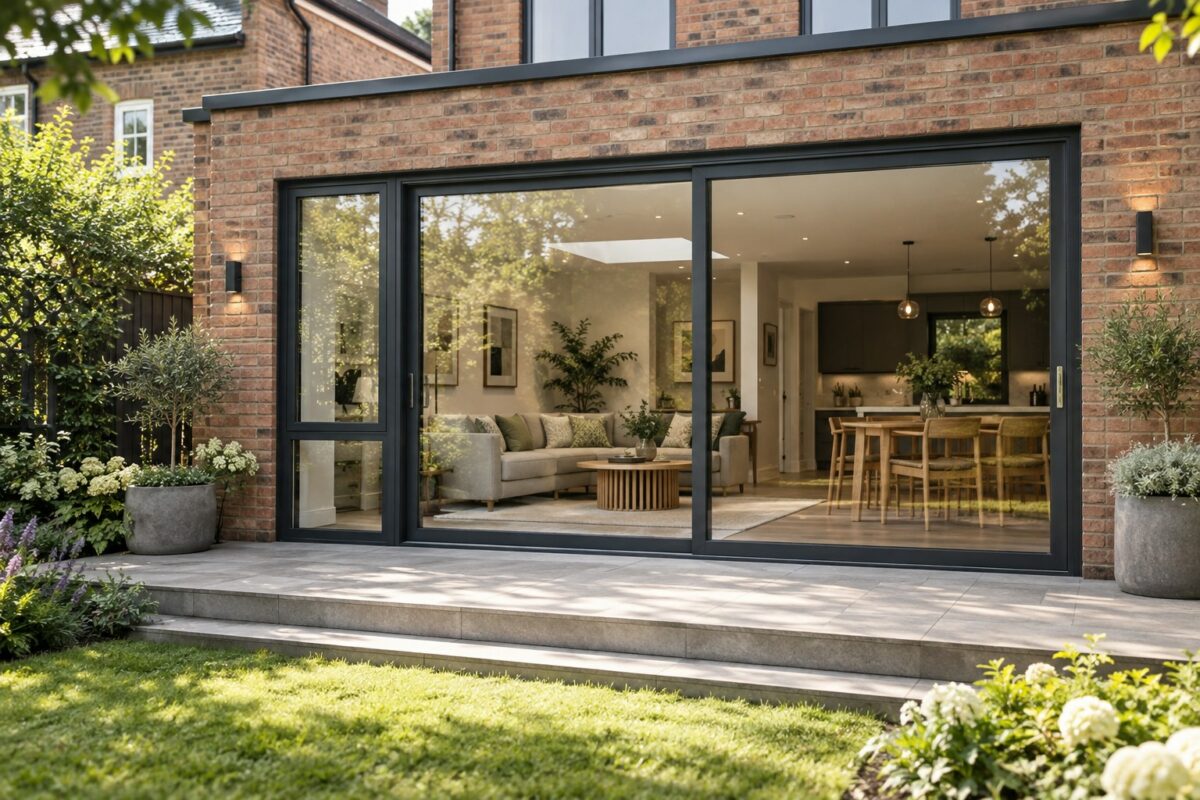
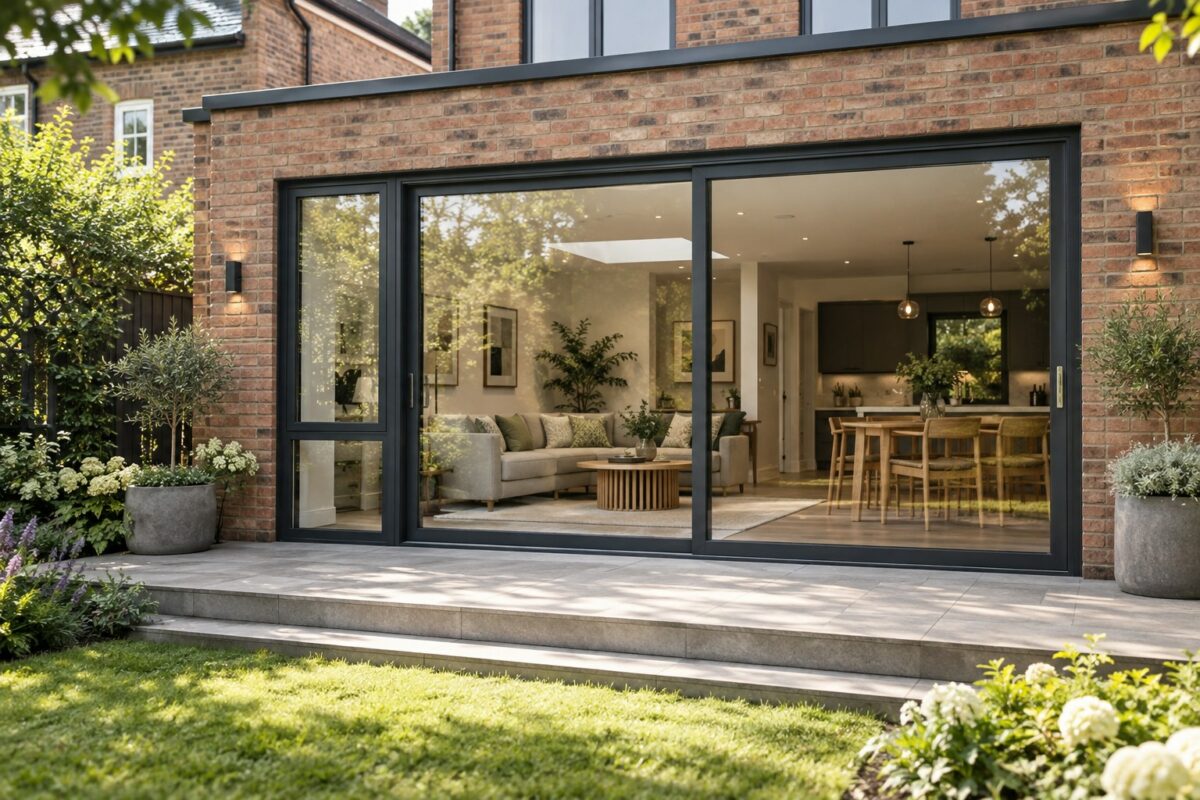
B) Aluminium sliding doors (the UK favourite for modern extensions)
Sliders succeed or fail on:
- Roller quality and track design
- Frame squareness and tolerance control
- Drainage at the sill
- Correct glazing weight assumptions
Common failure mode: big glass + weak rollers + poor install = doors that become heavy or misaligned within a few seasons.
C) Aluminium bifold doors
Bifolds offer flexibility but add multiple hinges, seals, and alignment points. Good bifolds are great; cheap bifolds are a service-call factory.
If your goal is “easy living”: a high-quality slider often wins for long-term simplicity.
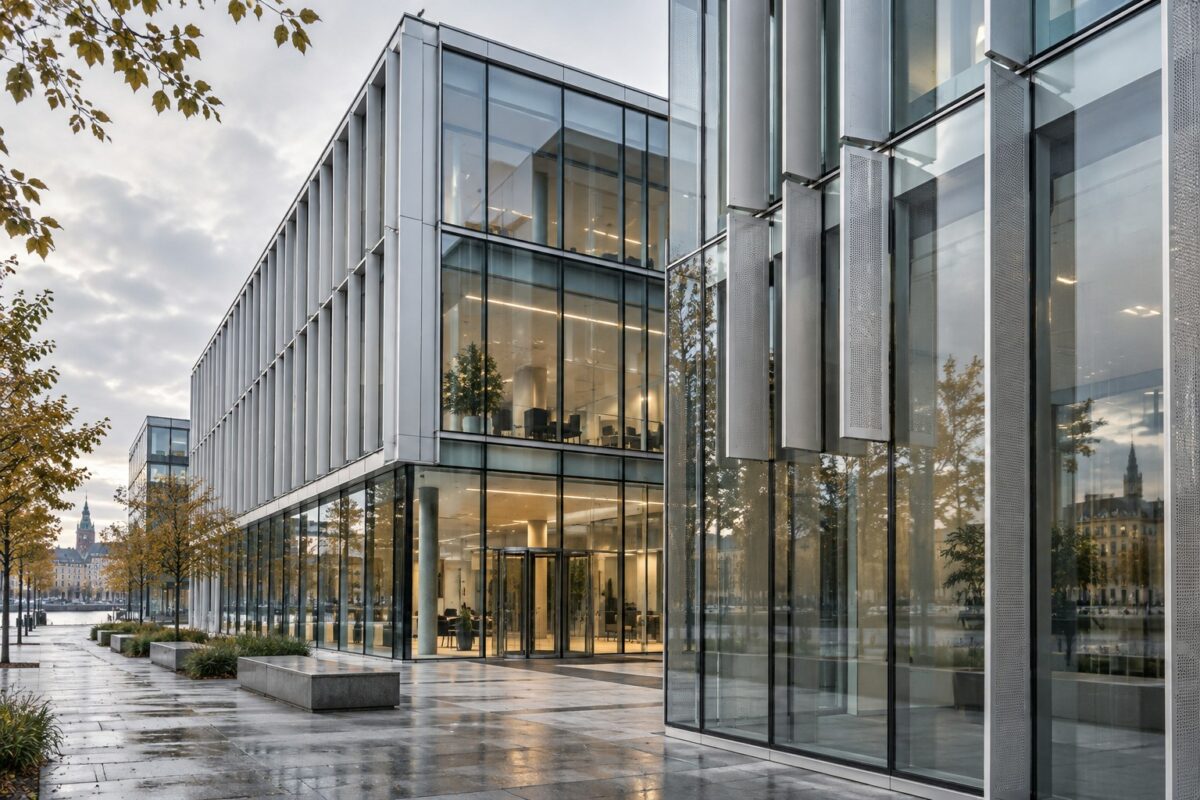
5) Aluminium facade systems: when windows and doors aren’t the whole story
Many UK projects move beyond “replace windows” into full envelope upgrades:
- rear extensions with large glazing and rooflights
- multi-plot developments needing repeatable quality
- refurbishment where the façade needs thermal and weathering improvement
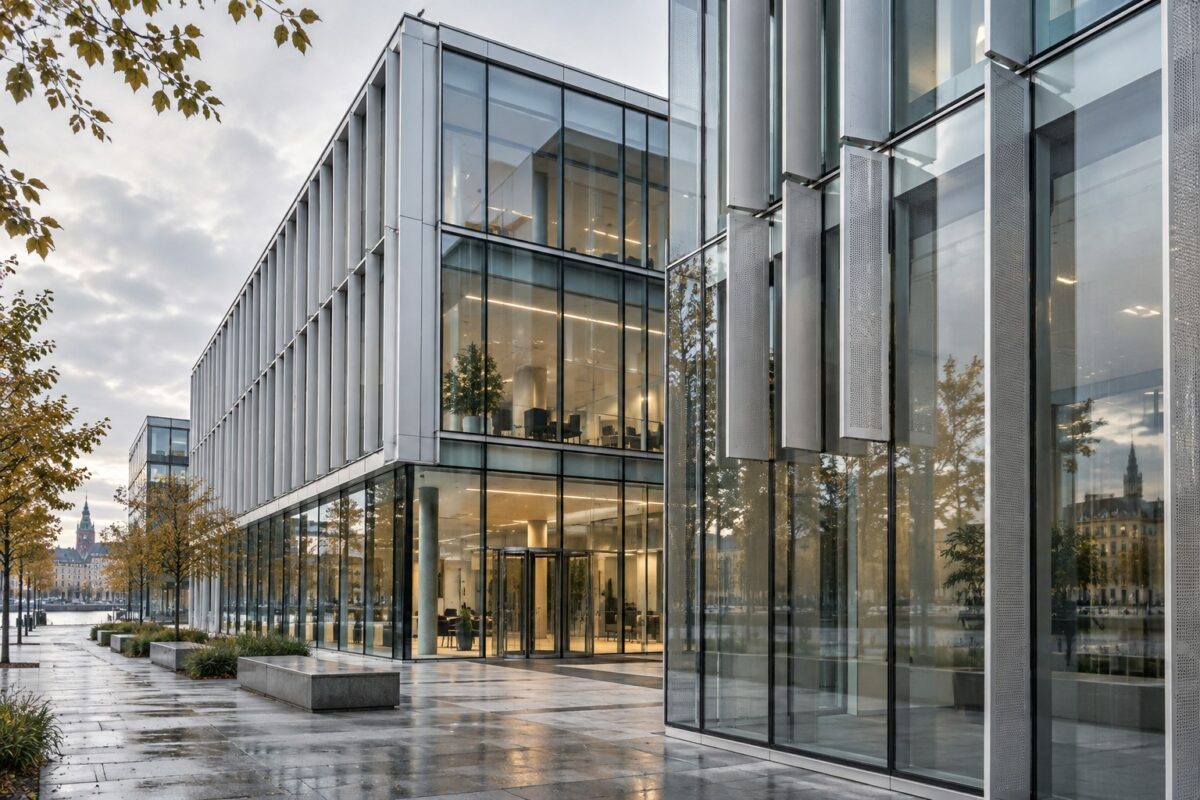
- mixed-use buildings that require curtain walling or rainscreen
Key categories
- Stick curtain walling: assembled on site; good flexibility; depends heavily on site workmanship
- Unitised curtain walling: pre-assembled units; more consistent QA; faster install; common on larger projects
- Rainscreen cladding: improves weathering + aesthetics and can pair with insulation upgrades
For larger aluminium facade systems, rather than individual window and door replacements, insist on:
- interface detailing responsibility (who designs what junction?)
- tolerance strategy (structure is never perfectly straight)
- drainage and pressure equalisation approach
- documentation discipline (drawings, revisions, QA traceability)
6) The questions to ask every supplier (copy/paste checklist)
Use these in UK tenders or homeowner quote comparisons.
Product + performance
- Is the system thermally broken? Which series / profile family?
- What is the Uw for my exact configuration (size + glazing + spacer)?
- What is the air permeability rating / approach (how is airtightness achieved)?
- What glazing make-up is proposed (low-E, gas fill, warm-edge, solar control)?
- What is the condensation risk strategy at edges and reveals?
Hardware + usability (especially for aluminium doors UK)
- What hardware brand/spec is included (locks, hinges, rollers)?
- What is the max sash/door weight the system is designed for?
- How will adjustment be handled after settlement (snagging plan)?
Installation + interfaces (where real performance is won or lost)
- How is the perimeter sealed (internal air seal + external weather seal)?
- How are thresholds detailed (drainage, weathering, thermal bridge)?
- Who is responsible for correcting out-of-tolerance openings?
Compliance + confidence
- What certifications / testing evidence exist (thermal, security, durability)?
- What warranty is offered (frames, finish, glazing, hardware)?
- What is the aftercare response time and process?
7) Cost and value: how to compare quotes without getting tricked
The UK market often compares quotes incorrectly. Two packages can look “similar” and perform very differently over time.
Avoid “lowest price per window”
Instead compare:
- Uw for each window group
- glazing make-up
- hardware spec
- installation method statement (perimeter sealing and threshold details)
- warranty scope and exclusions
- lead time realism + QA procedures
Expect price tiers to reflect reality
- Entry: acceptable thermal break but basic hardware/finish options
- Mid: stronger glazing options, better hardware, better QA
- High: large formats, specialised glazing, premium hardware, more rigorous fabrication and documentation
If you’re investing in energy efficient aluminium windows, don’t underfund the part that keeps them efficient: interfaces, hardware, and install quality.
8) Common pitfalls (and how to avoid them)
Pitfall 1: Chasing Uw while ignoring airtightness
A 0.8 Uw window won’t feel “high performance” if perimeter sealing is poor or the system leaks air.
Fix: insist on clear air-seal / weather-seal approach and competent installation.
Pitfall 2: Large sliders without proper tolerance control
Big glazing amplifies fabrication errors.
Fix: choose suppliers who can explain how they control squareness, glazing packers, and roller selection.
Pitfall 3: Overheating in glazed extensions
Upgrading to better insulated glazing doesn’t automatically solve summer comfort.
Fix: consider solar control glass and shading strategy early.
Pitfall 4: Confusing “system capability” with “installed reality”
A profile system can be excellent—but the result depends on fabrication and installation.
Fix: ask for QA approach, references, and a snagging process.
9) Copy/paste calculator: estimate your annual savings from Uw improvement
This is intentionally simple. It estimates the heating energy saved from reduced transmission through windows/doors (Uw improvement). Real savings can be higher if draughts reduce significantly.
Inputs you need
- A = total glazed area replaced (m²)
- U_old = old Uw (W/m²K)
- U_new = new Uw (W/m²K)
- HDD = heating degree days (K·day). Use 2463 as a UK standard-year proxy if you don’t know your local value.
- Eff = heating system efficiency (gas boiler typical 0.85–0.92)
- Tariff = your fuel unit rate (£/kWh) for gas or electricity
Calculator (plain text — paste into Notes)
A = ___ (m² total glazed area)
U_old = ___ (W/m²K)
U_new = ___ (W/m²K)
HDD = 2463 (K·day, UK proxy)
Eff = ___ (e.g., 0.90 gas boiler, or use COP method below)
Tariff = ___ (£/kWh)
DeltaU = U_old – U_new
HeatSaved_kWh = DeltaU * A * HDD * 24 / 1000
FuelSaved_kWh = HeatSaved_kWh / Eff
MoneySaved_per_year = FuelSaved_kWh * Tariff
Heat pump version (use COP instead of Eff)
If you heat with a heat pump:
- Replace Eff with COP (e.g., 2.5–3.5 typical range depending on system and weather)
COP = ___
ElectricitySaved_kWh = HeatSaved_kWh / COP
MoneySaved_per_year = ElectricitySaved_kWh * Tariff
Excel / Google Sheets version (single formula)
Put inputs in cells:
- B2=A, B3=U_old, B4=U_new, B5=HDD, B6=Eff, B7=Tariff
Annual money saved:
=((B3-B4)*B2*B5*24/1000)/B6*B7
10) “What should I buy?” quick recommendations by buyer type
If you’re a homeowner prioritising lower bills + comfort
- Thermally broken aluminium windows with strong sealing (casement or tilt-turn)
- Uw target as low as practical (often 0.8–1.1 depending on design)
- Warm-edge spacer + good perimeter sealing
- Don’t ignore door thresholds—draughts love thresholds
If you’re extending with a large opening (aluminium doors UK)
- High-quality slider with proven rollers and drainage strategy
- Consider solar control glass on south/west elevations
- Confirm weight limits and adjustment process
If you’re a developer / multi-plot
- Choose systems that support repeatable QA and consistent interfaces
- Standardise window groups and glazing specs to reduce errors
- Focus on installation method statements and tolerances
If you’re working on larger envelopes (aluminium facade systems)
- Decide early: stick vs unitised curtain walling
- Insist on interface responsibility maps (who owns each junction)
- Ensure traceability (drawings, revisions, inspection records)
Closing: the UK “buyer mindset” for 2026
The best purchases in energy efficient aluminium windows and aluminium doors UK aren’t the ones with the most claims—they’re the ones where the supplier can calmly explain:
- what the Uw means for your house
- how airtightness is achieved
- how thresholds drain and weather
- how heavy glazing is supported
- how aftercare works if something moves
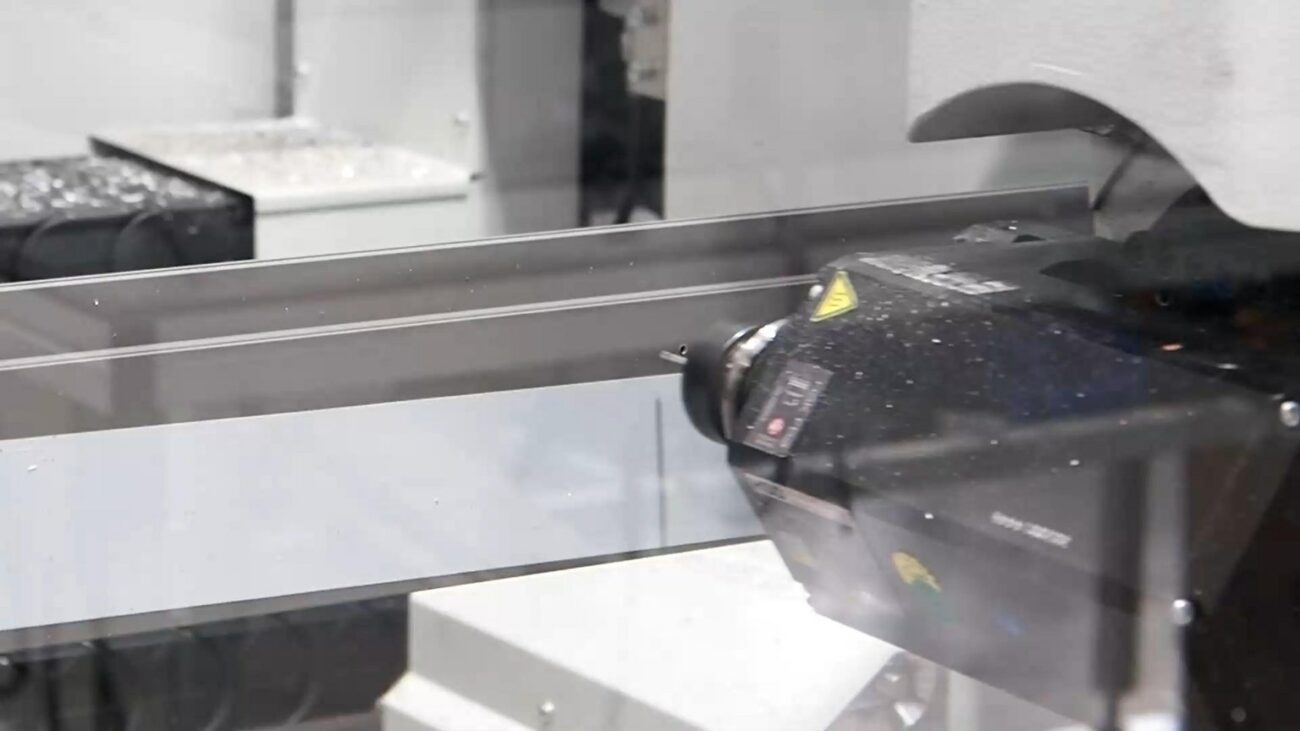
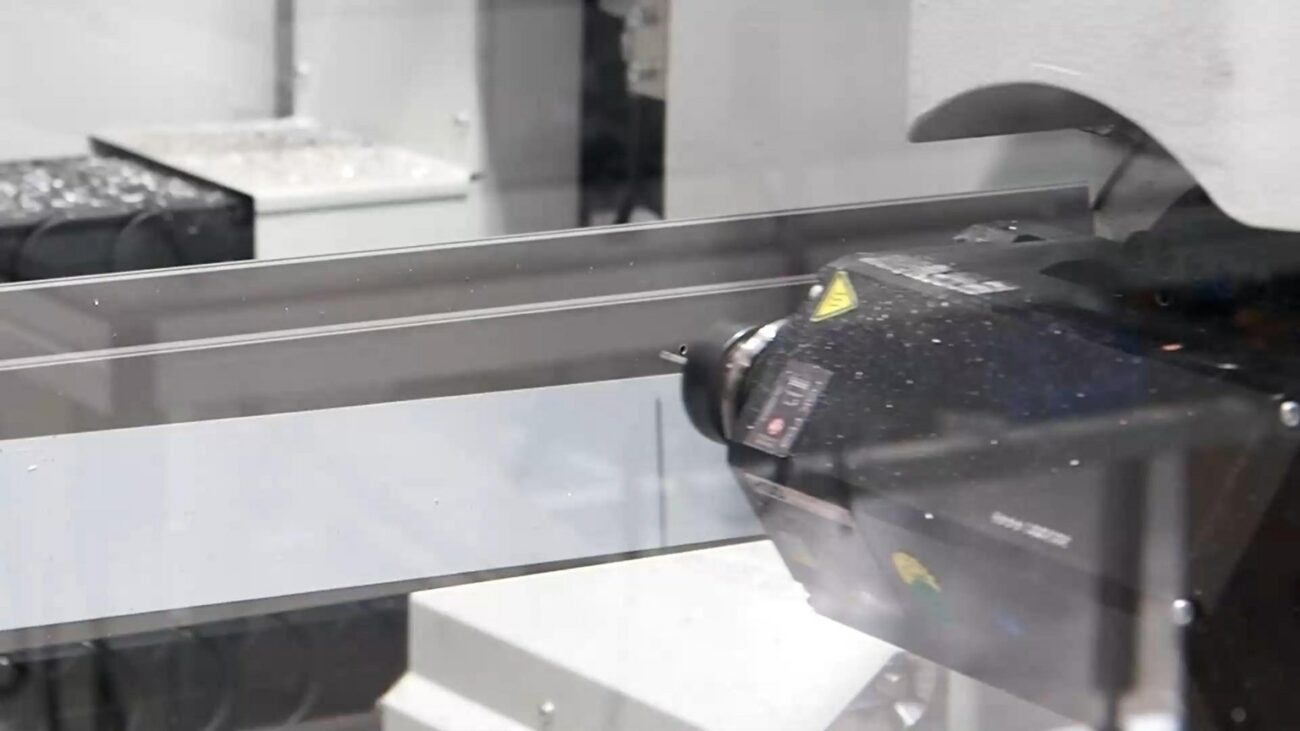
For a developer or façade contractor, these checks also help define a clear production brief. Alum-Fab’s aluminium window and door fabrication services can work from client-supplied drawings or combine design, machining and assembly with project support. Sharing the system specification, glazing schedule and interface responsibilities when discussing a UK project makes the scope clearer than comparing headline U-values alone.





 15 Powązkowska St.. 01-797 Warsaw

