

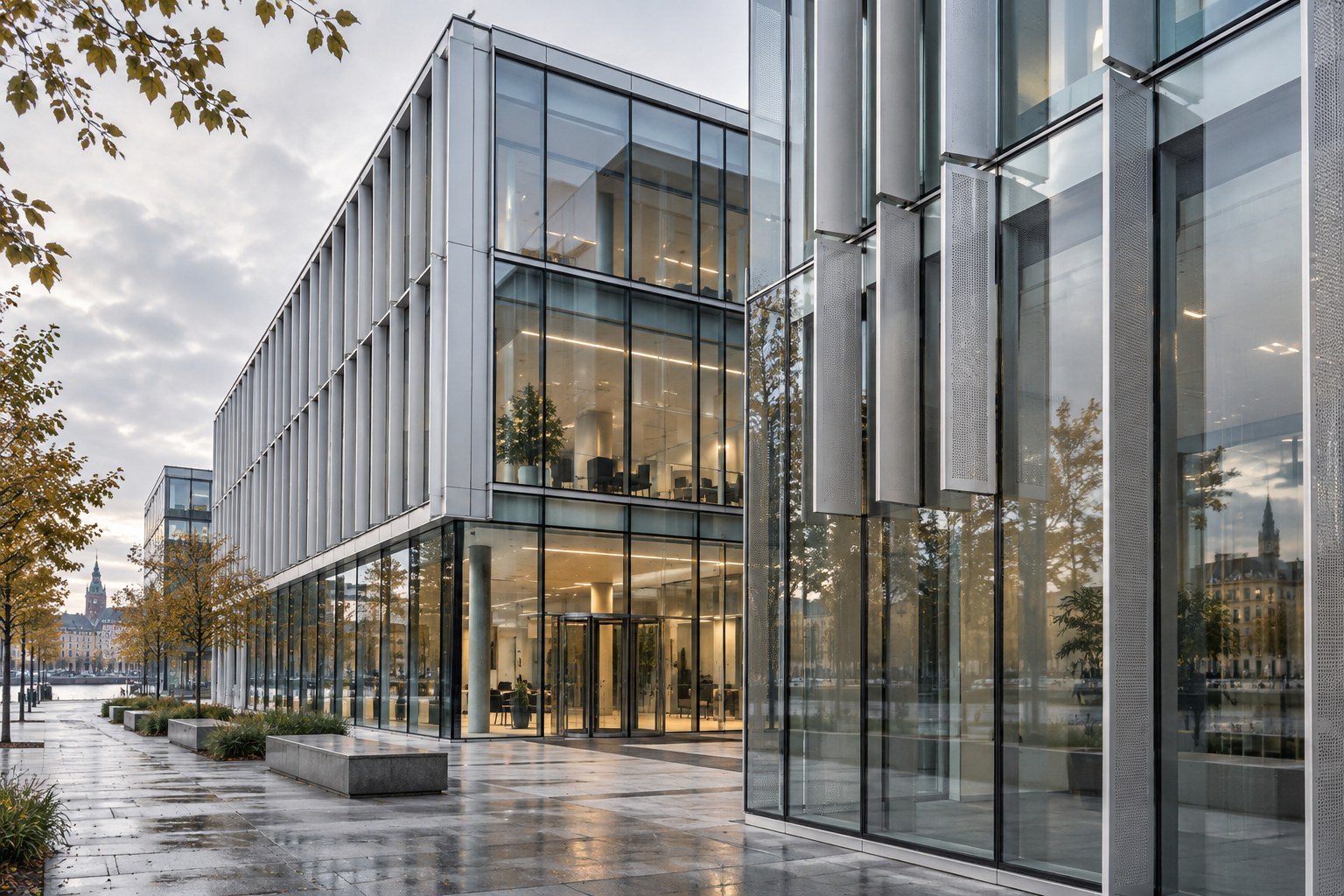
Digital technology is changing the facade from a static barrier into a building element that can respond to its surroundings. Façade designers can use responsive systems to address changing weather and internal conditions. Smart facades use sensors and control systems to manage operating demand. Combining automation with variable-tint glazing changes how office buildings control daylight and solar heat.
Connecting the Facade to the Building Management System
A smart facade forms part of the building's wider control network. In suitable contemporary projects, the envelope can be integrated with a building management system (BMS). Sensors across the elevation monitor sunlight, outdoor temperature, wind and, where specified, air pollution. A central control system analyses the data and responds. When strong sun reaches the south-facing elevation, it can lower external blinds before the HVAC system detects a significant indoor temperature rise. This anticipatory response can help reduce peak electricity demand for cooling during summer.
Electrochromic Glass and Variable Tint
The commercial development of electrochromic, or dynamic, glazing is an important step in facade technology. Instead of relying exclusively on external blinds exposed to wind, the control function is incorporated into the glazing unit. A microscopic metal-oxide layer changes tint in response to a low-voltage electrical signal, moving from clear through a light blue tint to a darker state. The change is quiet and preserves views outside, while reducing unwanted solar gains. The source article describes reductions of more than 90%; the actual figure must be checked against the specified product and test conditions. The result can be a smooth elevation whose appearance changes with environmental conditions.
Dynamic Shading and Moving Facade Components
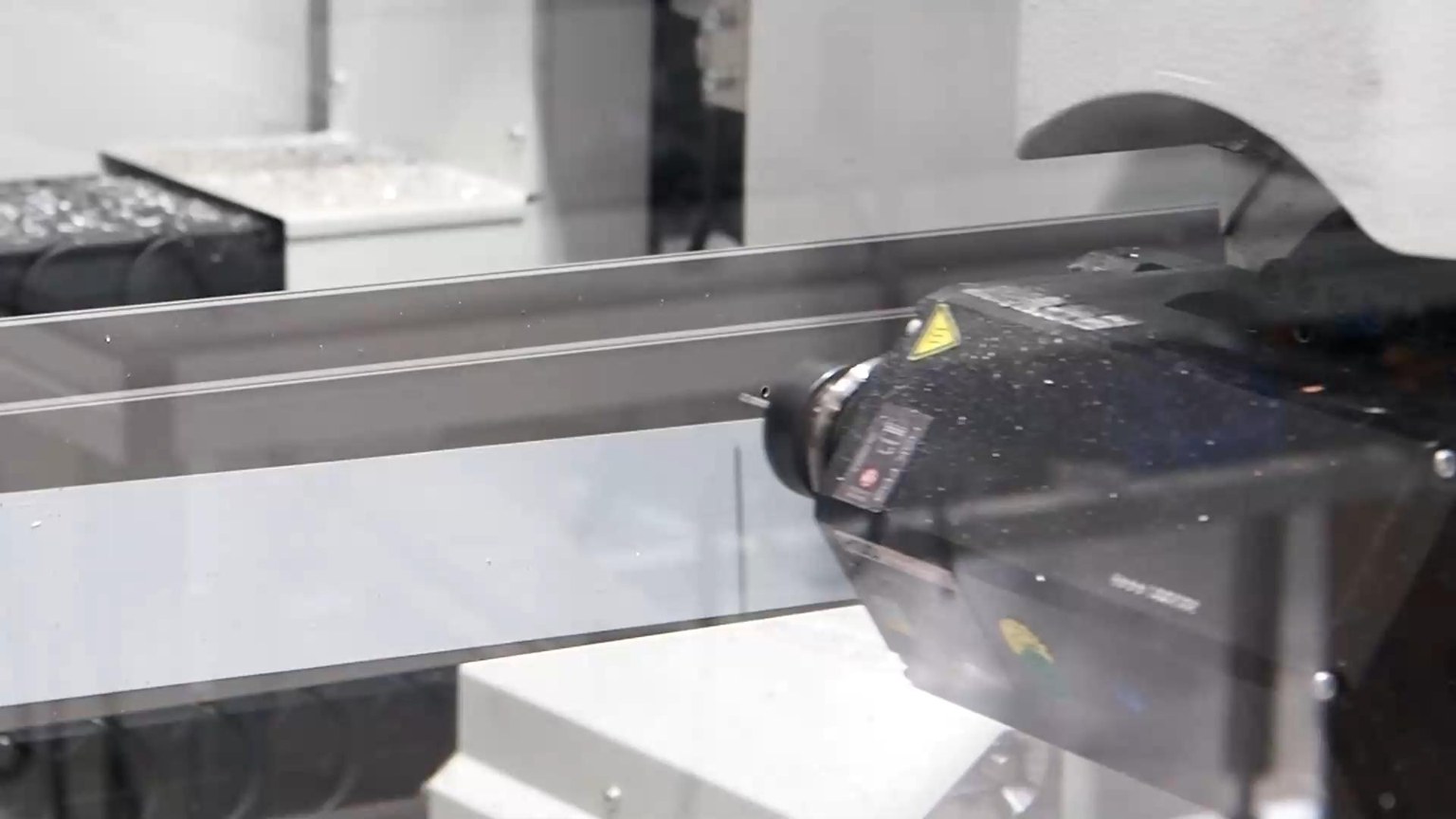
For architects seeking a more expressive design, smart facades can also incorporate moving elements. Louvres, brise-soleil and perforated panels integrated with aluminium construction can adjust to the sun's position. Compact actuators may be concealed within profile chambers. Motorised shading reduces overheating and glare on computer screens. More advanced control strategies can account for shadows cast by neighbouring buildings and adjust shading independently across the elevation.
Occupant Comfort and Nearly Zero-Energy Buildings
These technologies can require higher capital expenditure but may reduce electricity and heating costs over the building's life. Intelligent daylight and solar control can contribute to nearly zero-energy building (NZEB) strategies. The benefits also concern occupants: more stable temperatures, suitable daylight levels and reduced glare can improve comfort and concentration. Wellbeing is therefore an important part of the commercial case for high-quality office space, alongside verified energy performance and life-cycle costs.
The delivery brief for a smart façade should distinguish aluminium frame and shading fabrication from the specialist glazing, actuators and BMS controls. Alum-Fab’s aluminium fabrication and design-support services can be scoped around the physical package and its interfaces. Agree the division of responsibilities before procurement so that controls integration and performance verification stay with the appropriate specialists.

 15 Powązkowska St.. 01-797 Warsaw

